Studije CBD paste ispituju kako se koncentrirani ekstrakti konoplje ponašaju kemijski, farmakološki i industrijski kada su predstavljeni kao guste formulacije bogate smolom. Za razliku od izoliranog kanabidiola, CBD pasta može sadržavati širi profil kanabinoida, voskove, lipide, flavonoide, a ponekad i terpene, ovisno o metodama ekstrakcije i naknadne obrade. Za istraživače, formulatore i B2B tvrtke koje se bave kanabinoidima, razumijevanje istraživanja CBD paste važno je jer se proizvodi od paste mogu znatno razlikovati po sastavu, čistoći, stabilnosti, senzornim svojstvima i regulatornoj prikladnosti.
Što je CBD pasta?
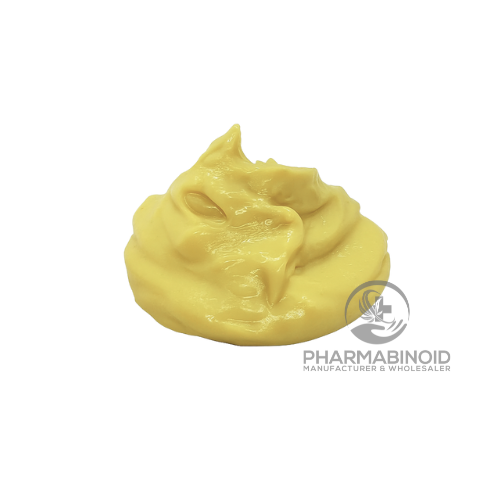
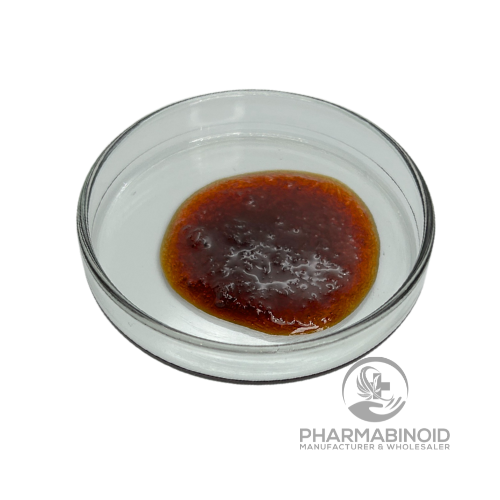
CBD pasta je koncentrirani ekstrakt dobiven iz konoplje, koji se obično formulira kao gust, polučvrst materijal. Najčešće se proizvodi iz biomase cannabis sativa L. metodama ekstrakcije kao što su superkritična CO2 ekstrakcija, etanolna ekstrakcija ili ekstrakcija ugljikovodicima, nakon čega slijede koraci pročišćavanja koji mogu uključivati zimovanje, filtraciju, dekarboksilaciju, destilaciju ili miješanje s nosačkim sastojcima.
Izraz „CBD pasta” ne opisuje jedan standardizirani materijal. Neke paste su širokog spektra, što znači da sadrže CBD i odabrane manje zastupljene kanabinoide bez detektabilnog THC-a. Druge su punog spektra, što znači da mogu zadržati širi raspon prirodno prisutnih sastavnica konoplje unutar granica primjenjive regulative. Ta je razlika ključna za istraživanje paste punog spektra jer kemijski profil može utjecati na ponašanje formulacije, analitičke rezultate, senzorne karakteristike i dokumentaciju o usklađenosti.
U industrijskim okruženjima CBD pasta se često procjenjuje kao međuproizvod ili gotovi rasuti materijal. Pharmabinoidova kolekcija CBD paste relevantna je za formulatore i proizvođače koji procjenjuju formate koncentriranih ekstrakata konoplje za usklađene B2B primjene.
Trenutačno znanstveno razumijevanje studija CBD paste
Trenutačne studije CBD paste najbolje je razumjeti kao dio šire znanstvene literature o kanabidiolu, ekstraktima konoplje i formulacijama bogatim kanabinoidima. Većina objavljenih istraživanja usmjerena je na pročišćeni CBD, ekstrakte kanabisa, analitičku kemiju, farmakokinetiku ili procjenu sigurnosti, a ne na CBD pastu kao jednu standardiziranu kategoriju proizvoda. To znači da nalazi iz studija ekstrakata CBD-a mogu informirati procjenu paste, ali se ne bi smjeli automatski primjenjivati na svaki materijal paste bez provjere sastava.
Znanstveni interes za CBD porastao je jer kanabidiol ima poseban farmakološki profil u usporedbi s opojnim kanabinoidima kao što je delta-9 THC. Međutim, prisutnost CBD-a u pasti sama po sebi ne određuje istraživačku relevantnost proizvoda. Cjelokupni profil kanabinoida, profil terpena, status rezidualnih otapala, mikrobiološka kvaliteta, ispitivanje teških metala, testiranje pesticida i dosljednost između serija ključni su za odgovorno tumačenje studija paste od konoplje.
Istraživači često razlikuju izolirani CBD i složene ekstrakte konoplje. Izolirani CBD omogućuje jasnije proučavanje jedne molekule, dok paste punog ili širokog spektra uvode dodatne varijable. Te varijable mogu uključivati kanabigerol (CBG), kanabinol (CBN), kanabikromen (CBC), kisele kanabinoide poput CBDA te hlapljive terpene ako su očuvani tijekom obrade. Znanstveni izazov je u tome što se složeni ekstrakti mogu ponašati drukčije od pročišćenih spojeva, ali baza dokaza ostaje neujednačena i u velikoj mjeri ovisna o karakterizaciji proizvoda.
Farmakologija i mehanizam djelovanja
Farmakologija CBD-a je složena i ne može se svesti na jedan receptorski cilj. Za razliku od THC-a, CBD ima nizak izravan afinitet prema klasičnom receptoru CB1 koji je povezan s opojnim djelovanjem kanabinoida. Objavljena istraživanja proučavala su CBD u odnosu na više molekularnih putova, uključujući neizravnu modulaciju endokanabinoidnog sustava, interakciju s enzimima uključenima u metabolizam endokanabinoida, kanale prolaznog receptorskog potencijala, signalizaciju serotoninskih receptora i druge nekanabinoidne ciljeve. Korisna početna točka za širu literaturu je PubMed-indeksirana literatura o farmakologiji kanabidiola.
Konkretno za CBD pastu, farmakologija se mora tumačiti u kontekstu formulacije. Pasta nije samo molekula kanabinoida; ona je matrica. Lipidi, voskovi, nosačka ulja, emulgatori i zaostali biljni spojevi mogu utjecati na disperziju, stabilnost i potencijalnu bioraspoloživost. Oralni i mukozni oblici mogu se razlikovati u ponašanju apsorpcije, a konačni dizajn proizvoda može utjecati na to koliko se dosljedno kanabinoidi isporučuju u istraživačkom ili proizvodnom kontekstu.
Terpeni su također relevantni tamo gdje su zadržani. Spojevi poput beta-kariofilena, mircena, limonena, pinena i linaloola često se spominju u kemiji kanabisa, iako razine terpena u CBD pasti uvelike ovise o temperaturi ekstrakcije, naknadnoj obradi, skladištenju i tome jesu li terpeni ponovno uvedeni. Tvrdnje o sinergiji treba iznositi oprezno: iako se interakcije kanabinoida i terpena aktivno razmatraju u istraživanjima, mnogi predloženi mehanizmi ostaju nedovoljno potvrđeni u kontroliranim studijama na ljudima.
Ključna područja istraživanja
-
Kanabinoidni profil i standardizacija: Istraživanje CBD paste često započinje kvantificiranjem CBD-a, CBDA, THC-a, THCA, CBG-a, CBC-a, CBN-a i drugih minornih kanabinoida. Standardizacija je ključna jer dva proizvoda koja su oba opisana kao CBD pasta mogu imati vrlo različite kemijske sastave.
-
Istraživanje full spectrum paste: Materijali punog spektra proučavaju se zbog svog složenog fitokemijskog profila, ali tumačenje zahtijeva oprez. Prisutnost više kanabinoida i terpena može povećati analitičku složenost i otežava pripisivanje nalaza jednom sastojku.
-
Bioraspoloživost i ponašanje formulacije: Kanabinoidi su lipofilni, što znači da se ne otapaju lako u vodi. Istraživači i formulatori ispituju nosačka ulja, emulgiranje, veličinu čestica i sastav matrice kako bi razumjeli kako se proizvodi na bazi paste ponašaju u gotovim formulacijama.
-
Stabilnost i razgradnja: Na CBD pastu mogu utjecati svjetlost, kisik, toplina i vrijeme. Studije stabilnosti mogu pratiti pretvorbu kanabinoida, gubitak terpena, oksidaciju, promjenu viskoznosti i mikrobni rizik u različitim uvjetima skladištenja.
-
Razvoj analitičkih metoda: Studije paste od konoplje zahtijevaju validirane metode ispitivanja jer gusti ekstrakti mogu biti zahtjevne matrice. Tekućinska kromatografija visoke djelotvornosti uobičajeno se koristi za kvantificiranje kanabinoida, dok se plinska kromatografija može koristiti za analizu zaostalih otapala ili terpena.
Ograničenja istraživanja
Glavno ograničenje u studijama CBD paste je nedostatak standardizacije proizvoda. „CBD pasta” može se odnositi na sirovi ekstrakt, pročišćeni ekstrakt, dekarboksiliranu pastu, pastu punog spektra, pastu širokog spektra ili miješanu formulaciju. Bez detaljnih certifikata analize i informacija o proizvodnji, teško je uspoređivati nalaze između studija.
Još jedno ograničenje jest to što velik dio šire literature o CBD-u koristi pročišćeni kanabidiol umjesto složene konopljine paste. Nalazi o pročišćenom CBD-u mogu pomoći u objašnjavanju određenih molekularnih mehanizama, ali ne obuhvaćaju u potpunosti ponašanje ekstrakta koji sadrži više sastavnica. Suprotno tome, studije koje koriste ekstrakte kanabisa mogu uključivati spojeve ili koncentracije koje nisu reprezentativne za usklađene europske materijale CBD paste.
Istraživanja na ljudima također su ograničenija nego što opći rezultati pretraživanja često sugeriraju. Pretkliničke studije, in vitro testovi, podaci na životinjama i radovi iz analitičke kemije vrijedni su, ali se ne mogu smatrati izravnom potvrdom ishoda kod ljudi. Odgovorne studije CBD ekstrakta trebale bi jasno razlikovati kemijske dokaze, mehanističke hipoteze, opažanja o sigurnosti i kontrolirane podatke na ljudima.
Industrijska važnost i važnost za formulacije
Za proizvođače, dobavljače i timove za formulacije, istraživanje CBD paste vrlo je praktično. Materijali u obliku paste mogu se koristiti kao koncentrirani kanabinoidni sastojci za ulja, kapsule, kozmetiku, tehničke mješavine i druge putove razvoja proizvoda gdje je to dopušteno. Njihova visoka koncentracija kanabinoida može ih učiniti učinkovitima za transport i skladištenje, ali to također povećava važnost točne homogenizacije i dokumentacije serija.
Formulatori moraju uzeti u obzir viskoznost, koncentraciju kanabinoida, kompatibilnost s nosačem, utjecaj na okus, boju, osjetljivost na oksidaciju i rizik od kristalizacije. Pasta koja se dobro pokazuje u jednom nosačkom ulju može se drugačije ponašati u drugome. Slično tome, dodavanje paste emulzijama, bazama za topikalnu primjenu ili inkapsuliranim formatima može zahtijevati dodatna ispitivanja kompatibilnosti.
Iz proizvodne perspektive, metoda ekstrakcije je važna. Superkritična CO2 ekstrakcija može omogućiti kontrolu otapala i prilagodljivu selektivnost, dok se etanolna ekstrakcija široko koristi za učinkovito dobivanje kanabinoida. Odluke o pročišćavanju utječu na to hoće li voskovi, klorofil, kiseli kanabinoidi i terpeni ostati u pasti. Ti izbori utječu ne samo na izgled i rukovanje, nego i na to kako materijal treba ispitivati i dokumentirati.
Tvrtkama koje istražuju šire područje kanabinoida može biti koristan i Pharmabinoidov resurs o istraživanju kanabinoida za razumijevanje povezanih spojeva i znanstvene terminologije.
Ispitivanje, kvaliteta i usklađenost
CBD pastu treba procijeniti pomoću robusnog analitičkog ispitivanja prije uporabe u istraživanju, formulaciji ili komercijalnim opskrbnim lancima. Potpun certifikat analize obično bi trebao obuhvatiti jačinu kanabinoida, THC status gdje je primjenjivo, ostatke otapala, pesticide, teške metale, mikrobne kontaminante, mikotoksine i druge relevantne parametre kvalitete, ovisno o predviđenoj primjeni.
Analitička verifikacija posebno je važna za istraživanje full spectrum paste jer materijal može sadržavati kanabinoide u niskim razinama koji zahtijevaju osjetljive i validirane metode. Laboratoriji bi trebali koristiti odgovarajuće postupke pripreme uzoraka kako bi se osiguralo da su guste matrice paste potpuno homogenizirane prije ispitivanja. Loša homogenizacija može dovesti do netočnih rezultata o potentnosti i nedosljedne naknadne formulacije.
Usklađenost s europskim propisima zahtijeva dodatni oprez. Proizvodi povezani s CBD-om mogu se različito ocjenjivati ovisno o vrsti proizvoda, jurisdikciji, sadržaju THC-a, namjeni i regulatornoj klasifikaciji. Razmatranja o novoj hrani posebno su važna za jestive CBD proizvode u EU-u. Europska agencija za sigurnost hrane istaknula je nedostatke u podacima u procjenama CBD-a kao nove hrane, što se može pregledati putem EFSA-ine objave o procjenama kanabidiola kao nove hrane.
Regulatorni status nikada se ne bi smio pretpostavljati samo na temelju naziva „CBD pasta”. Tvrtke bi trebale pregledati dokumentaciju specifičnu za svaku seriju i zatražiti kvalificirane regulatorne smjernice za svoja ciljna tržišta. Pharmabinoid također raspravlja o širem europskom regulatornom okviru u svom članku o pravnom statusu CBD-a u Europi.
Povezani kanabinoidi, terpeni ili istraživačke teme
Istraživanje CBD paste usko je povezano sa studijama o CBD izolatu, broad spectrum ekstraktima, full spectrum ekstraktima konoplje, manjim kanabinoidima kao što su CBG i CBC, kiselim kanabinoidima kao što je CBDA te frakcijama ekstrakta bogatima terpenima. Također se preklapa sa znanošću o formulacijama, analitičkom kemijom, istraživanjem bioraspoloživosti, ispitivanjem stabilnosti i europskom usklađenošću za kanabinoide.
Pri usporedbi paste s drugim kanabinoidnim sirovinama, ključna znanstvena pitanja nisu samo „koliko je CBD-a prisutno?” nego i „što se još nalazi u matrici, koliko je stabilna, koliko je reproduktivna i kako je verificirana?”. Ta su pitanja središnja za odgovorna istraživanja paste od konoplje i za razvoj pouzdanih opskrbnih lanaca kanabinoida.
Česta pitanja o studijama CBD paste
Jesu li studije CBD paste iste kao studije CBD izolata?
Ne. Studije CBD izolata usmjerene su na pročišćeni kanabidiol, dok studije CBD paste uključuju složeniju matricu ekstrakta. Pasta može sadržavati manje kanabinoide, kisele kanabinoide, voskove, lipide, terpene ili druge spojeve dobivene iz konoplje, ovisno o načinu proizvodnje. To otežava izravnu usporedbu osim ako pasta nije u potpunosti okarakterizirana analitičkim ispitivanjem.
Zašto istraživanje full spectrum paste zahtijeva dodatni oprez?
Istraživanje full spectrum paste uključuje više sastavnica, a ne samo jedan izolirani spoj. To materijal može učiniti znanstveno zanimljivim, ali također uvodi varijabilnost. Istraživačima su potrebni detaljni profili kanabinoida i terpena, verifikacija THC-a, provjera kontaminanata i podaci o konzistentnosti serija prije donošenja zaključaka iz istraživanja full spectrum paste.
Što bi certifikat analize trebao prikazivati za CBD pastu?
Certifikat analize trebao bi jasno prikazati jačinu kanabinoida te potvrditi relevantne sigurnosne i kvalitativne parametre. Ovisno o namjeni, to može uključivati ostatke otapala, pesticide, teške metale, mikrobiološke granice, mikotoksine i THC status. Kod gustih materijala u obliku paste, reprezentativno uzorkovanje i pravilna homogenizacija ključni su za pouzdane rezultate.
Zaključak
Studije CBD paste nalaze se na sjecištu kemije kanabinoida, znanosti o formulacijama, analitičkog ispitivanja i regulatorne usklađenosti. Trenutačno znanstveno razumijevanje podupire pažljivo istraživanje ekstrakata konoplje bogatih CBD-om, no dokazi se moraju tumačiti precizno jer se materijali u obliku paste znatno razlikuju po sastavu i povijesti proizvodnje. Za istraživače i B2B formulatore, najpouzdaniji pristup jest procijeniti CBD pastu putem verificiranih profila kanabinoida, robusnog ispitivanja kvalitete, jasne dokumentacije i opreznog tumačenja šire literature o studijama CBD ekstrakata.