
Risks of CBD Oil: Safety, Interactions, Testing, and EU Market Considerations

Muestra gratuita
Descubra de primera mano los beneficios de nuestros productos visitando nuestro sitio web para obtener su código exclusivo TryPharma. Cuando realice un pedido utilizando este código especial, no solo asegurará los productos que desea, sino que también incluiremos una muestra gratuita con cada compra. Esta oportunidad le permite experimentar la calidad de nuestra oferta antes de comprometerse con el envío principal. Nuestro objetivo es garantizar que esté completamente satisfecho con su selección, y este proceso le proporciona una forma sin riesgos de explorar nuestra amplia gama de productos. Contáctenos hoy mismo para comenzar y dar el primer paso hacia una experiencia gratificante con nuestra oferta premium.
Seguro de envío
Cuando nos compra aislados de CBD al por mayor, aceites y otros productos, su envío está totalmente asegurado por nosotros sin coste adicional para usted. Utilizamos empresas de envío de confianza como FedEx y UPS para el transporte, mientras gestionamos nosotros mismos la cobertura del seguro para proteger cada envío desde nuestro almacén hasta su puerta. En TryPharma, estamos comprometidos con fomentar el crecimiento empresarial ofreciendo un servicio mayorista sin riesgos. En el improbable caso de un problema con el envío, garantizamos un reembolso dentro de los cinco días hábiles a partir de la fecha en que se confirme el incidente. Nuestro enfoque integral elimina eficazmente el 99,9 % de todos los riesgos potenciales asociados con el envío de CBD al por mayor, garantizando su total tranquilidad.
Devolución de 30 días
Le invitamos a probar la muestra gratuita incluida con su pedido antes de abrir el envío principal. Si la calidad no cumple sus expectativas, puede beneficiarse de nuestra política de devolución de 30 días. Esta política le permite devolver el producto dentro de los 30 días para obtener un reembolso completo, garantizando su total satisfacción. Contáctenos hoy mismo para explorar nuestra excepcional gama de productos y experimentar nuestro dedicado servicio de atención al cliente.
Aislados de cannabinoides
-
Aislado de CBD - Cannabidiol
Precio regular From €24.99 to €369.99Precio regularPrecio unitario por€0.00Precio de oferta €24.99 -
CBG - Cannabigerol
Precio regular From €49.99 to €799.99Precio regularPrecio unitario por€0.00Precio de oferta €49.99 -
CBN - Cannabinol
Precio regular From €79.99 to €1,299.99Precio regularPrecio unitario por€0.00Precio de oferta €79.99 -
CBC – Cannabicromeno
Precio regular From €99.99 to €1,999.99Precio regularPrecio unitario por€0.00Precio de oferta €99.99 -
CBDV - Cannabidivarina
Precio regular From €13.99 to €3,149.99Precio regularPrecio unitario por€0.00Precio de oferta €13.99 -
Aislado de cannabicitrano - CBT
Precio regular From €49.99 to €4,349.99Precio regularPrecio unitario por€0.00Precio de oferta €49.99 -
Ácido cannabidiólico - CBDA
Precio regular From €49.99 to €1,499.99Precio regularPrecio unitario por€0.00Precio de oferta €49.99 -
Ácido cannabigerólico - CBGA
Precio regular From €59.99 to €1,749.99Precio regularPrecio unitario por€0.00Precio de oferta €59.99


Colecciones
-

Mezclas psicoactivas PPB para compradores profesionales
Mezclas psicoactivas PPB para compradores profesionalesExplora la colección PPB de Pharmabinoid para...
-

Aceites de CBD
Aceites de CBD – Guía para compradores mayoristas Aceites de CBD reúne...
-
Vapeadores de CBD
Productos vape de CBD y apoyo en formulación para el desarrollo profesional...
-
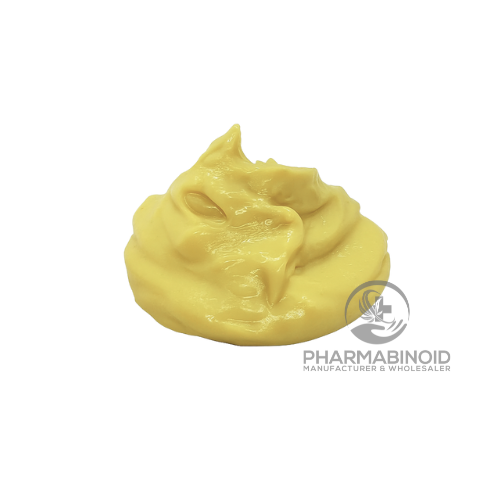
Cosméticos de CBD
Cosméticos de CBD: guía para compradores mayoristasEsta colección comercial está dirigida a...
-
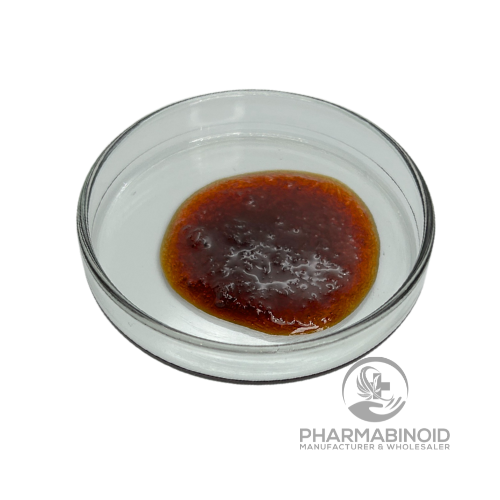
Destilados de CBD al por mayor
Destilados de CBD al por mayor para compradores europeosCompare destilados de CBD...


Entradas del blog
Ver todo-
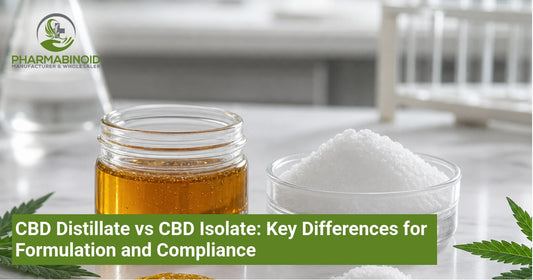
Destilado de CBD vs. aislado de CBD: diferencia...
El destilado de CBD frente al aislado de CBD es principalmente una cuestión de composición, objetivos de pureza, comportamiento en la formulación y estrategia de cumplimiento normativo. Ambos son ingredientes...
Destilado de CBD vs. aislado de CBD: diferencia...
El destilado de CBD frente al aislado de CBD es principalmente una cuestión de composición, objetivos de pureza, comportamiento en la formulación y estrategia de cumplimiento normativo. Ambos son ingredientes...
-
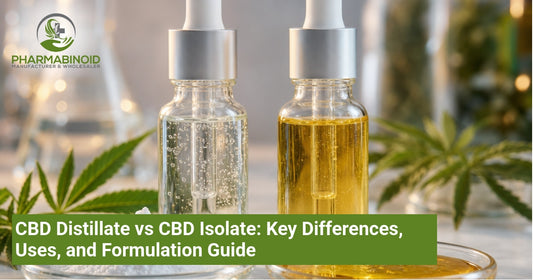
Destilado de CBD vs. aislado de CBD: diferencia...
El destilado de CBD frente al aislado de CBD es una comparación importante para marcas, formuladores y compradores que trabajan con ingredientes derivados del cáñamo. Ambos materiales pueden ser ricos...
Destilado de CBD vs. aislado de CBD: diferencia...
El destilado de CBD frente al aislado de CBD es una comparación importante para marcas, formuladores y compradores que trabajan con ingredientes derivados del cáñamo. Ambos materiales pueden ser ricos...
-
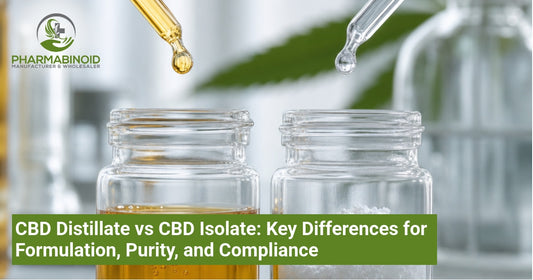
Destilado de CBD vs. aislado de CBD: diferencia...
El destilado de CBD frente al aislado de CBD es una comparación habitual para marcas, formuladores y compradores que trabajan con ingredientes derivados del cáñamo. Ambos pueden ser fuentes de...
Destilado de CBD vs. aislado de CBD: diferencia...
El destilado de CBD frente al aislado de CBD es una comparación habitual para marcas, formuladores y compradores que trabajan con ingredientes derivados del cáñamo. Ambos pueden ser fuentes de...
